How much influencers charge and how brands set rates
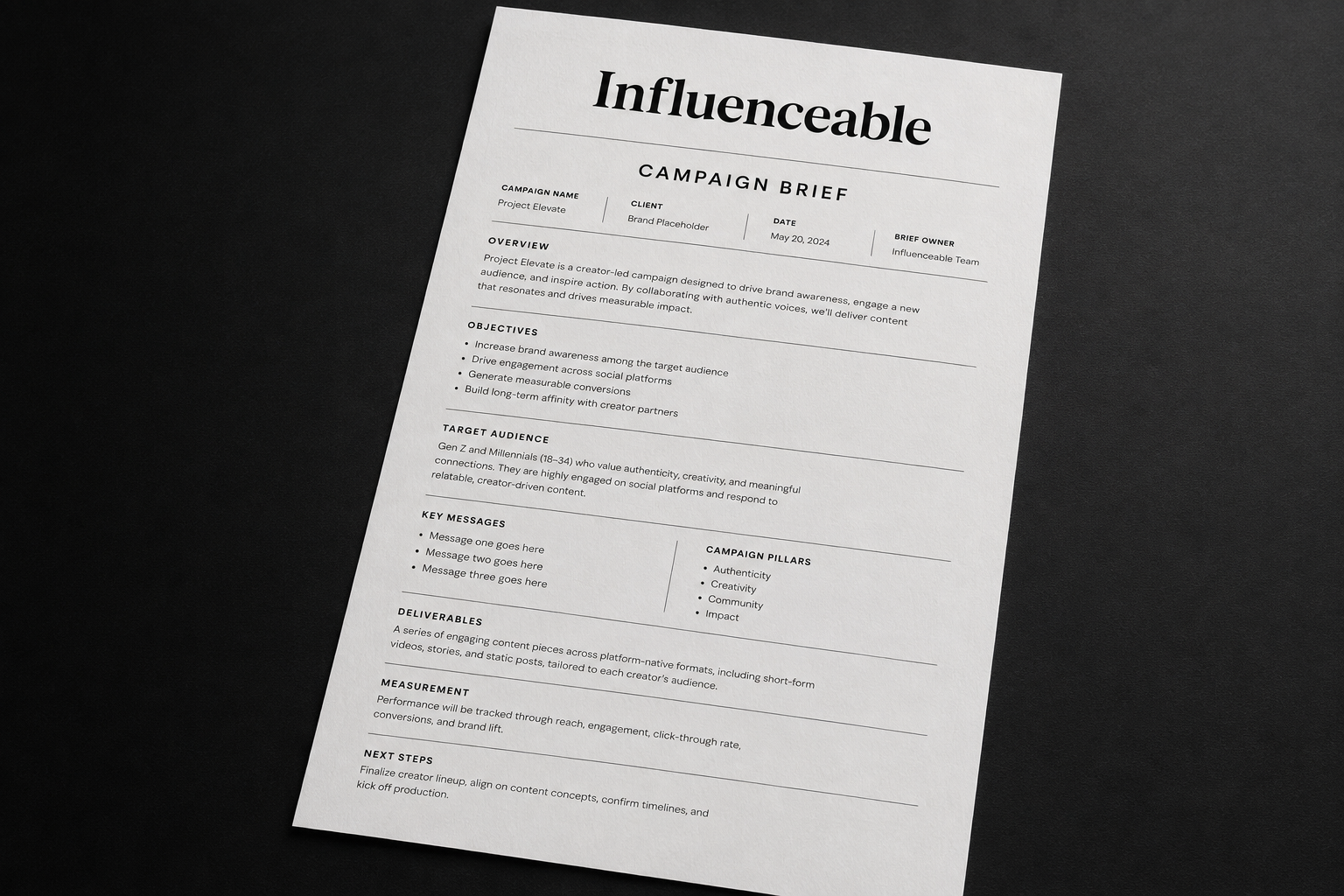
Creator pricing becomes clearer when scope, production effort, audience fit, rights, timing, and commercial value are written separately.
There is no single influencer rate
Influencer pricing is a negotiation over a defined piece of commercial work. Follower count may shape expectations, but it cannot state the price by itself. The useful starting point is a written scope: platform, format, number of assets, production requirements, dates, review rounds, exclusivity, usage, travel, disclosure, and reporting. Two creators with similar audiences can quote very different amounts because one assignment requires a quick demonstration while another requires research, location production, specialist credibility, and broad advertising permission.
Brands should ask for an itemized proposal and creators should explain assumptions. A line for creation, a line for publication, and separate lines for rights or unusual production make changes easier to discuss. Itemization does not require exposing personal finances or defending an hourly wage. It gives both sides a common map of the deal. When a budget changes, the parties can reduce deliverables, shorten rights, alter production, or remove exclusivity rather than force an unexplained discount across the entire assignment.
Build a rate from the scope
Start with the creator's labor and direct cost. Estimate research, concept development, scripting, shooting, editing, captions, revisions, administration, and performance reporting. Add crew, equipment, locations, props, products, accessibility work, travel, and taxes where relevant. Then account for the value and risk of publishing to an established audience. That final part is not simply media inventory. It reflects years spent developing subject knowledge, format ability, community expectations, and a reputation that can be affected by a poor partnership.
A creator can maintain a base menu for common work while quoting each brief individually. The menu creates consistency; the brief supplies the variables. Brands should compare proposals on matched scope rather than asking several people for a price against a vague sentence. A request for “one video” is incomplete until duration, complexity, channel, deadline, approvals, posting, and rights are known. Better input produces prices that are easier to compare and fewer expensive surprises after production starts.
Treat audience evidence carefully
Audience size can affect potential distribution, but average relevant reach and audience fit are usually more informative. Review recent comparable posts, not a creator's single largest result. Consider geography, language, age where appropriate, topic alignment, repeat engagement, comment substance, search visibility, and the way followers respond to commercial work. Ask for source dates and screenshots or platform exports when a decision depends on a number. No one metric proves sales, and public engagement alone should not determine compensation.
Specialist credibility can justify a strong rate with a smaller audience. A trusted engineer, clinician, financial educator, or skilled hobbyist may reach fewer people while influencing a costly decision. Production skill can also create assets with value beyond the creator's organic reach. The buyer should write why this person fits the assignment before negotiating price. That note prevents a procurement comparison from reducing distinct creators to a cost per follower and helps the team defend a deliberate choice later.
Separate production from distribution
Some assignments hire a creator to make content for the brand's channels without publishing it. Others buy both production and access to the creator's audience. Keep those services distinct. A user-generated-content style asset may be priced around concept and production, while an organic sponsored post includes the relationship and attention attached to the creator's account. If the brand wants both, the agreement should state both. This clarity also makes it possible to add or remove publication without reopening every production term.
Distribution expectations need precision. Name the account, format, publish window, live period, link placement, tags, collaborator settings, and any community management. Do not promise a result the creator cannot control, such as a fixed view count, unless the deal explicitly includes paid delivery or a carefully defined make-good. Compensation should pay for agreed work and access, while performance incentives can reward outcomes on top. Making the entire fee contingent transfers business risk to a creator who does not control the site, offer, inventory, or attribution system.
Price usage rights explicitly
Organic publication does not automatically give a brand unlimited permission to copy, edit, advertise, or distribute the asset. Define the specific media, territories, duration, accounts, edit rights, and start date. A limited repost on owned social channels carries a different commercial value from worldwide paid advertising across social, web, retail screens, and connected television. Broader and longer use should generally cost more because it replaces future work and connects the creator's likeness or production to a larger campaign.
Use renewal options instead of buying perpetual rights by default. A brand can license an initial period, learn whether the creative performs, and extend successful assets at an agreed fee. The creator preserves control over unproven work, and the buyer avoids paying for years it may never use. Maintain a rights calendar with asset identifiers and expiration dates. Pricing discipline is wasted if a team cannot tell when permission ends or which edited version belongs to the license.
Account for exclusivity and urgency
Exclusivity limits the creator's ability to accept other work, so its scope should be narrow and compensated. Name the competitive category, territory, channels, and exact dates. “No competitors” is too vague when a large company sells products across many categories. A short restriction around publication is different from a six-month ban. The brand should purchase only the protection tied to a real campaign risk, and the creator should consider the likely income being declined before accepting the fee.
Rush work also changes price. A compressed schedule may displace other clients, require weekend production, increase crew costs, or reduce the time available for a strong concept. State the deadline before requesting a quote and distinguish a genuine market moment from internal delay. A rush premium is not punishment; it prices the operational consequence of priority. Brands can often avoid it by creating decision dates, shipping products early, and limiting reviewers to people with actual authority.
Negotiate by changing variables
Good negotiation searches for a workable exchange instead of declaring a creator too expensive. If a quote exceeds budget, identify the cost-driving terms. The parties might choose one format instead of three, remove raw footage, reduce revision rounds, shorten usage, narrow exclusivity, move the deadline, or replace travel with a simpler production. Protect the creator's ability to make credible work. A cheaper deliverable that feels forced to the audience is poor value, even when procurement records a saving.
Brands should reserve budget beyond creator fees. Management, product shipping, production support, legal review, music or talent licenses, paid media, measurement, payment processing, and contingency all affect the campaign total. Show those lines separately so leadership does not mistake a creator quote for the entire program. Creators should confirm payment currency, tax handling, invoicing requirements, milestone dates, cancellation terms, and late-payment remedies. A fair headline fee loses meaning when payment arrives months after completed work.
Use benchmarks as context, then learn
Published rate surveys can indicate broad ranges, but their samples, dates, markets, and definitions may not match the brief. Some combine gifted and paid work; others mix organic posts with extensive rights. Use a benchmark to challenge an obvious error, not to override a relevant quote. The strongest internal benchmark is a clean record of the organization's own comparable deals, including scope, creator fit, delivery quality, audience response, rights, and whether both sides wanted to work together again.
After each campaign, compare quoted assumptions with actual work. Record review rounds, production changes, missed inputs, rush requests, asset use, and results. Update planning ranges without publishing private creator rates across an organization that does not need them. Over time, the brand learns where it pays for genuine value and where its own process creates cost. Transparent influencer pricing is not the search for one universal number. It is a repeatable method for defining work, valuing rights and attention, negotiating respectfully, and paying on time.
Useful references
Statista provides further context for teams making decisions in this area.
EMARKETER provides further context for teams making decisions in this area.
Social Media Examiner provides further context for teams making decisions in this area.
Business of Apps provides further context for teams making decisions in this area.